Most people don’t really choose a crypto wallet. They download whatever app the internet pointed them at, buy a little, and get on with their lives. Where those coins actually sit only becomes a live question later, usually right after reading about somebody who lost everything.
The question has a simpler shape than it looks. Every wallet either has a live connection to the internet or it doesn’t. Brand, screen size, supported coins, price: all of that hangs off that one fact.
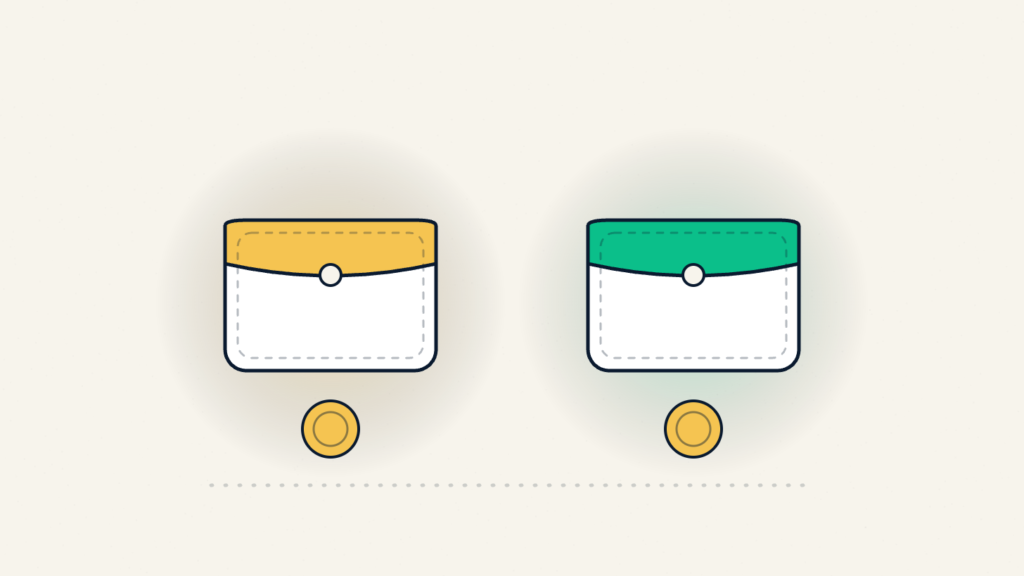
The connected kind is a hot wallet. The disconnected kind is a cold wallet. The hot wallet vs cold wallet decision is really a decision about what you’re willing to trade, speed for safety or safety for speed. Neither answer is wrong on its own. Picking the wrong one for the amount you’re holding is what causes trouble.
What makes a wallet hot or cold
A wallet doesn’t hold your coins. It holds the private keys that prove the coins are yours. The coins themselves live on a blockchain and always have. Losing a wallet doesn’t move your crypto anywhere, it just takes away your ability to reach it.
So the temperature question is really about where those keys sit.
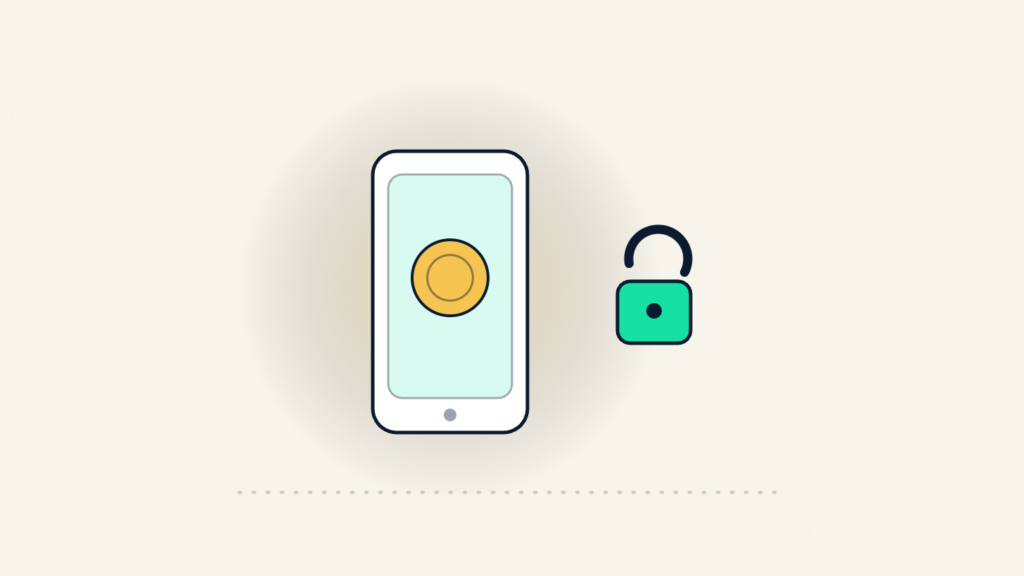
A hot wallet keeps your keys on a device that talks to the internet. Phone apps, browser extensions, desktop wallets, and the balance sitting inside an exchange account all qualify. If it can sign a transaction the second you tap a button, it’s hot.
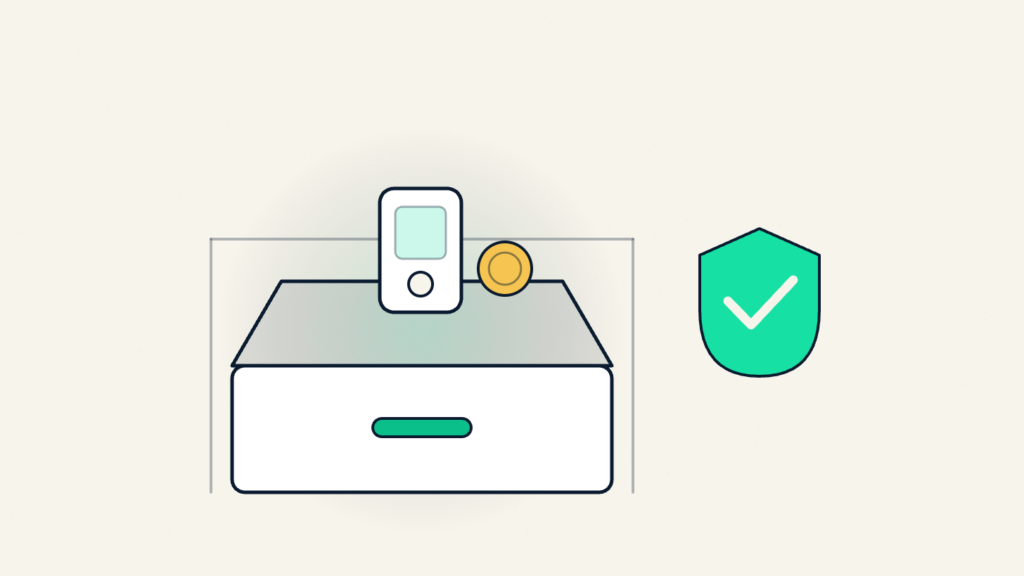
A cold wallet keeps your keys on something that never touches the internet. A small hardware device. A metal plate with a recovery phrase stamped into it. A laptop with its wireless card physically removed. To move money, the transaction gets carried to the offline device, signed there, and carried back.
That handoff is the entire security model. An attacker on the other side of the world can reach your phone. They cannot reach a device sitting in a drawer with no radio in it.
How a hot wallet works, and where it breaks
Open the app, enter a PIN or a fingerprint, tap send. The keys are right there on the device, so signing takes a second. That’s the whole appeal, and it’s a real one. If you’re buying small amounts, swapping tokens, or poking around a new app, a hot wallet is the only tool that doesn’t make you want to give up.
The weakness is exposure. Your keys are on a device that downloads things, runs other people’s code, and sits on the same network as everything else you do. A convincing phishing page, a fake browser extension, a malicious token approval you clicked past, a piece of malware that quietly swaps the address in your clipboard: any one of those can drain a hot wallet while you’re looking at it.
The numbers back that up. Chainalysis counted roughly 158,000 individual wallet compromises in 2025, which is a lot of ordinary people having a bad day. The total taken from individuals actually fell, from about $1.5 billion in 2024 to around $713 million, so the pattern shifted toward more victims losing smaller amounts each.
There’s a second flavor of hot that’s easy to miss. If your crypto is an account balance on an exchange, you don’t hold the keys at all. The company does. That’s convenient and it’s also a different risk entirely: you’re trusting a business, not just a device. We walk through what that means in our guide to storing crypto safely.
How a cold wallet works, and where it breaks
A hardware wallet looks like a small remote or a thick USB stick. You plug it in or pair it, your computer builds the transaction, and the device signs it internally. The keys never leave the chip. Even if the machine you plugged into is riddled with malware, it never sees anything worth stealing.
The device also has its own little screen, and that screen matters more than people realize. It shows you the address and amount you’re actually approving, independent of whatever your browser is displaying.
Cold storage isn’t magic, though. In February 2025 Bybit lost about $1.5 billion in ether, and the attackers never stole a private key. They tampered with the signing interface, so a routine transfer from cold storage to a hot wallet displayed one thing and did another. The lesson scales down to a normal person perfectly: read the address on the device’s own screen, not the one on your monitor.
The bigger risk with cold storage, honestly, is you. There’s nobody to call. Lose the recovery phrase and the coins are unreachable forever. Buy a device from a random marketplace seller and you might be handing your money to whoever tampered with it in transit. Keep your only copy of the phrase in one drawer and one house fire ends the story.
Cold wallets also make small, frequent activity annoying. That’s the point, but it’s worth knowing before you buy.
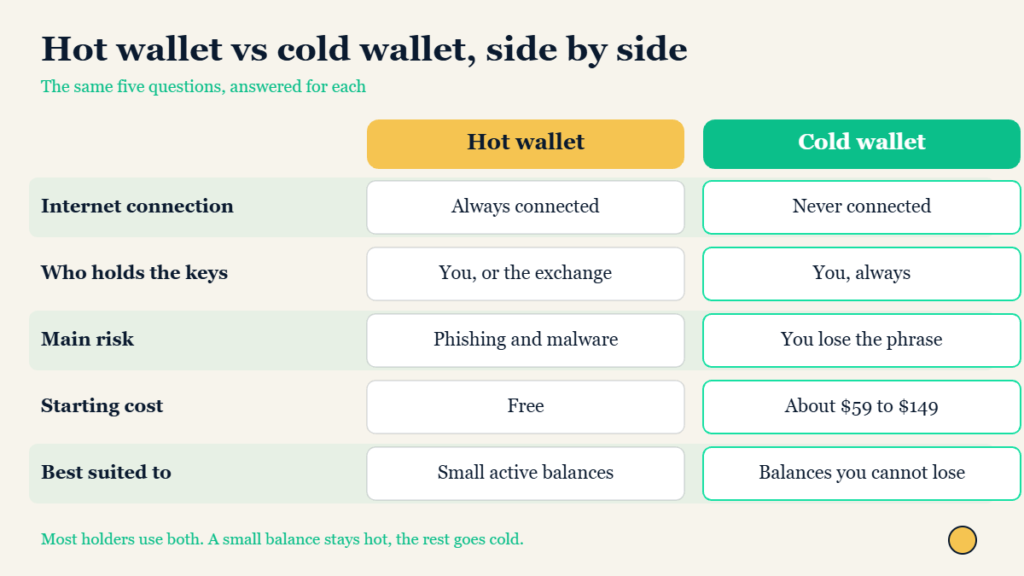
Hot wallet vs cold wallet at a glance
| Hot wallet | Cold wallet | |
|---|---|---|
| Internet connection | Always connected | Never connected |
| Who holds the keys | You (app wallets) or the company (exchange accounts) | You, always |
| Good at | Spending, swapping, trying new apps | Sitting still and staying safe |
| Main risk | Phishing, malware, bad approvals, account takeover | You lose the recovery phrase or the device is tampered with |
| Starting cost | Free | Roughly $59 to $149 and up |
| Recovery if lost | Recovery phrase, or the company’s support if custodial | Recovery phrase only |
| Suits | Small balances you touch often | Balances you’d hate to lose |
What each one costs
Hot wallets are free to download. Every major one is. The real cost shows up as network fees when you move funds, plus whatever spread an app builds into its buy and sell prices.
Cold storage has a hardware price attached. Trezor has listed the Safe 3 at around $59, and Ledger lists the Nano X at $149. Both companies run sales, add new models, and change pricing, so treat those as a ballpark and check the official store before buying. Buy from the maker or an authorized seller. Never from a marketplace reseller, and never secondhand.
Whether that’s worth it depends entirely on what you’re holding, which is a calculation only you can run.
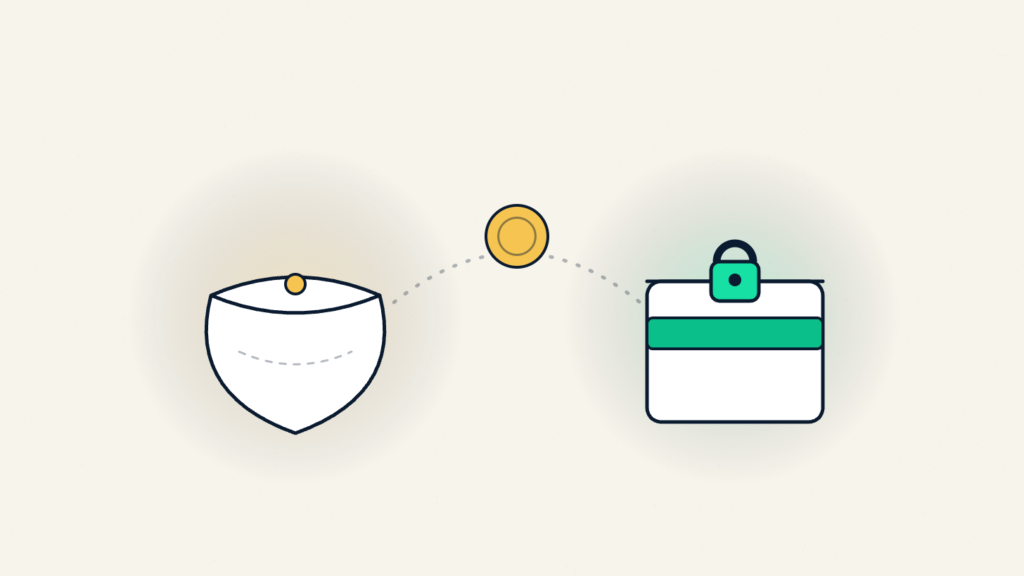
The two wallet setup most holders land on
Almost nobody who’s been around a while uses only one. The hot wallet vs cold wallet argument mostly dissolves once you treat them as different jobs rather than competing products.
Think of it the way you already think about cash. You carry some in your pocket because you need it today. The rest sits somewhere less convenient and much harder to lose. Same logic here. A small working balance stays on the phone for spending and experimenting. The bulk goes to the hardware wallet and stays put.
There’s no official threshold for when to make the jump, and anyone who quotes you a hard number is guessing. A more useful question: if this balance disappeared overnight, would it change my life? Once the answer turns into yes, the convenience of leaving it on a phone stops buying you very much.
A year in the life of one beginner
Picture Marcus. He buys $300 of crypto on a phone app in January because a friend won’t stop talking about it. He adds a bit most months. By autumn the balance has grown past $4,000, partly from deposits and partly from the market moving, and he’s stopped checking it daily.
In November a message arrives about a token airdrop. The site looks right. He connects his wallet, approves a contract without reading what it grants, and the balance is gone in under a minute.
Nothing about that story required a sophisticated attacker. It required a connected wallet holding more than it needed to hold. A $149 device and twenty minutes of setup in the spring would have changed the ending. He’d have spent the year mildly annoyed at the extra step instead.
The mistakes that actually wipe people out
- Photographing the recovery phrase. That photo syncs to the cloud, and now your master key lives on somebody else’s server. Write it on paper or stamp it into metal. Our piece on what a seed phrase is covers the storage part in detail.
- Approving contracts you didn’t read. Most hot wallet losses start with a signature the owner gave voluntarily.
- Buying hardware from a reseller. A tampered device can ship with a recovery phrase the attacker already knows.
- Keeping one copy of the phrase in one place. Fire, flood, and moving house have taken more crypto than you’d think.
- Treating an exchange balance as cold storage. It isn’t cold, and it isn’t yours in the way self custody is. Crypto held at an exchange carries no FDIC or SIPC protection.
- Testing the recovery process only after something breaks. Send a tiny amount, wipe the device, restore it from the phrase, and confirm the funds reappear. Do it while the stakes are low.
How to decide what fits you
Work through these honestly and the answer usually presents itself.
- How much are you holding? Small and active points hot. Meaningful and mostly idle points cold.
- How often do you actually move it? Weekly swaps and a hardware wallet make a miserable pairing.
- Can you keep a written phrase safe for ten years? If the honest answer is no, a cold wallet may trade one risk for a worse one.
- Do you use browser based crypto apps? That exposure is exactly what cold storage is built to neutralize.
- Would losing it hurt? This is the question that settles most hot wallet vs cold wallet debates.
If you’re still choosing your first app, our roundup of the best crypto apps for beginners and our exchange comparison both cover the safety features worth looking for. More in the Security section.
Key takeaways
- A hot wallet is connected to the internet. A cold wallet never is. Everything else follows from that.
- Hot wallets win on speed and cost nothing. They lose to phishing, malware, and approvals you didn’t read.
- Cold wallets keep your keys offline and out of reach of remote attackers. They put full responsibility for recovery on you.
- Hardware devices start somewhere around $59 to $149. Buy direct from the maker, never secondhand.
- For most experienced holders the hot wallet vs cold wallet question ends in a split: a small spending balance hot, the rest cold.
- Your recovery phrase is the real asset. Protect it better than the device itself.
Frequently asked questions
Is a cold wallet safer than a hot wallet?
Against remote attackers, yes, and by a wide margin. Keys that never touch the internet can’t be phished or drained by malware. Against your own mistakes it’s a different story, because losing the recovery phrase on a cold wallet means the money is gone with nobody to call.
Can a hardware wallet be hacked?
Remotely, it’s extremely difficult, which is the point. The realistic attacks are physical or social: a tampered device, a fake support agent asking for your phrase, or a transaction you approved without checking the address on the device screen.
Do I need a cold wallet if I only hold a small amount?
That’s your call, and it depends on what small means to you. Plenty of people keep modest balances in a reputable hot wallet and add cold storage once the number starts feeling real. There’s no threshold that applies to everyone.
What happens if my hardware wallet breaks or gets lost?
Your crypto is fine. It lives on the blockchain, not on the device. Buy a replacement, restore from your recovery phrase, and the balance reappears. Lose the phrase as well and there is no recovery path.
Is an exchange account a hot wallet?
Functionally it behaves like one, but there’s an important difference: the exchange holds the keys, not you. That makes it custodial. You’re relying on the company’s security and solvency, not just your own habits.
Can I use a hot wallet and a cold wallet at the same time?
Yes, and that’s the common setup. They’re separate wallets with separate recovery phrases, and moving funds between them is an ordinary on chain transfer.
Is a paper wallet a cold wallet?
Technically yes, since the keys are offline. In practice paper degrades, burns, and gets thrown out by accident, and spending from one safely takes real care. Most people are better served by a hardware device.
Before you go
Whichever way you go, the recovery phrase is the part that decides how this ends. The device is replaceable. Those words are not.
This article is general information, not financial, investment, or tax advice. Crypto is volatile and self custody puts full responsibility on you. Prices and product details were verified on the publish date and can change. Only risk what you can afford to lose.
Sources: Chainalysis, 2025 crypto theft figures.